

The quick list
- Best for espresso dialingBaratza Encore ESP ZCG495
Built for small espresso adjustments, this grinder suits home brewers who want one machine for espresso and filter coffee. Baratza says it is designed for precision and includes workflow-friendly features like manual dosing and a dosing cup.
See moreCheck price on Amazon

If espresso tastes sour, thin, bitter, or just off, the grind is often the first place to look. Brewfolia breaks down espresso grind size too fine vs coarse so you can match the setting to the shot, not guess your way through it.
Espresso grind size too fine vs coarse and taste
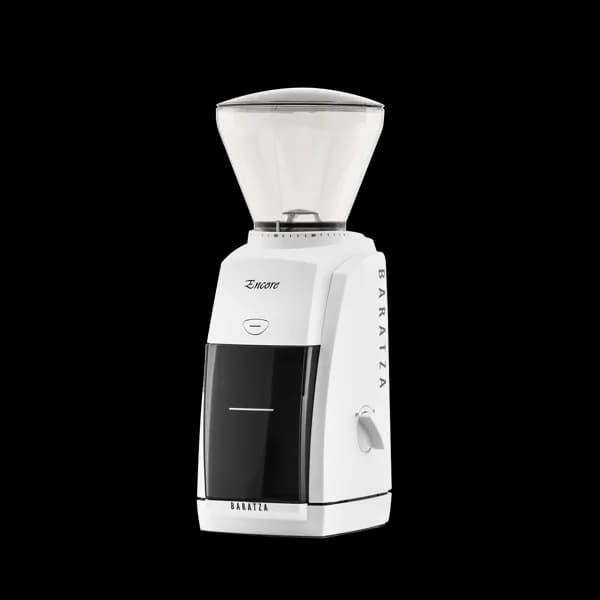
Grind size changes how water moves through the puck. That is why a small shift can make the shot run too fast, stall, or land right in the sweet spot.
Too fine vs too coarse at a glance
A finer grind packs more surface area into the puck and creates more resistance. Water moves slower, extraction rises, and the shot can become heavier and more concentrated. A coarser grind does the opposite. Water moves faster, extraction drops, and the cup can taste lighter and less complete. That simple tradeoff sits at the center of espresso dialing.
The goal is not to chase the smallest particles possible. The goal is to land in the range where the shot flows with enough resistance to build sweetness, body, and balance. If the grind is outside that narrow window, taste changes quickly.
What a sour, thin, fast shot usually means
When espresso rushes through the basket and tastes sharp, sour, or thin, it is usually underextracted. The most common fix is to grind finer. That slows the flow enough for the water to pull more sweetness and structure from the coffee.
This is where tiny changes matter. One notch finer can be enough, especially if the rest of the recipe stays steady. If you move too far at once, you can overshoot and end up with a shot that becomes muddy instead of balanced.
What a bitter, harsh, slow shot usually means
A shot that crawls through the basket and lands bitter or harsh often points to too much resistance. The fix is usually to go coarser. That gives the water more room to move and can bring the cup back from an overextracted edge.
If the shot is choking, do not keep forcing it finer. Back off first, then taste again. Small corrections are easier to read than dramatic jumps, and they keep the next adjustment honest.
Baratza Encore ESP ZCG495 for espresso dialing
This grinder is built around tiny espresso changes, not broad jumps. That makes it a useful example when you are comparing espresso grind size too fine vs coarse and trying to dial in by taste.
What to buy: Baratza Encore ESP ZCG495
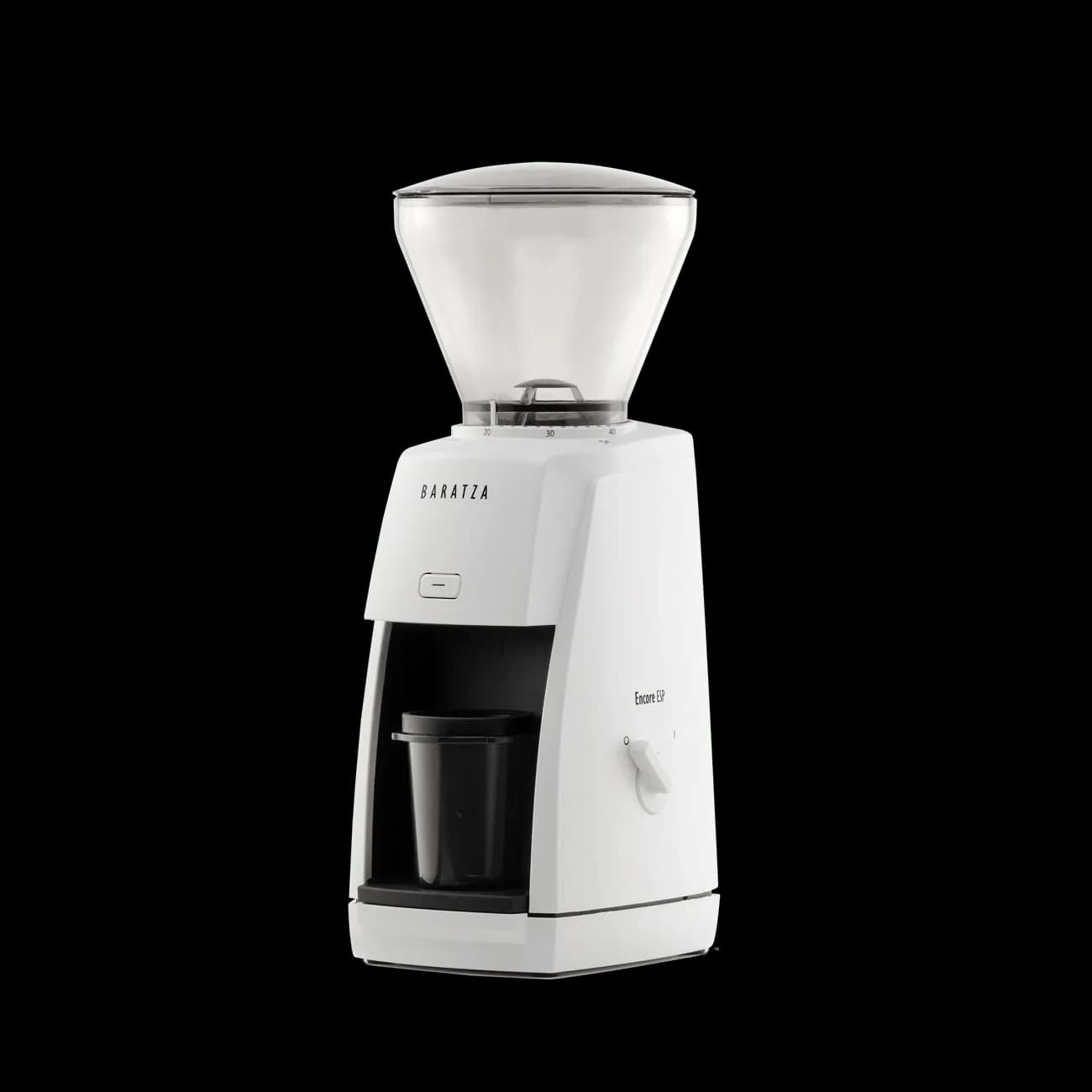
Baratza’s Encore ESP is a coffee-and-espresso grinder designed for precision, with 40mm conical steel M2 burrs, manual dosing, and a quick-release burr mount. Baratza says it is made to deliver the grind resolution needed for creamy, syrupy espresso shots. If you want the full breakdown of its published specs and trade-offs, start with Baratza Encore ESP ZCG495 reviews.
Who it suits and what it costs
Baratza’s Encore ESP suits someone who wants one machine for espresso and filter coffee. Baratza gives it a dual grind range, with settings 1-20 for espresso and 21-40 for filter coffee, and says the espresso side is meant for very small grind-size changes. That makes it a practical pick for home brewers who want to move between brew styles without buying a second grinder.
The U.S. product page lists it at $199.95. Published feedback also points to a usable range for espresso while still keeping room for French press and pour-over style brewing.
Main trade-off to know before you buy
The biggest trade-off is control. The espresso range is stepped, not stepless, so long-term owners who want endless micro-adjustment may want more flexibility. Some published feedback also mentions retention, clumping, and clogging with oily beans, which matters if you want the cleanest possible workflow.
There is a setup angle too. Baratza notes that the grind range can be shifted with shims, and some buyers report needing that kind of adjustment to reach espresso-fine territory comfortably. That is useful, but it also means the grinder rewards careful setup.
How to choose the right grind range
The right range is less about chasing one magic number and more about matching the grinder to the shot you want. Start with how fine to grind espresso beans, then decide how much adjustment room you need.
How fine should espresso beans be ground?
There is no single perfect espresso size. The useful answer is that the grind should be fine enough to create resistance, but not so fine that the shot stalls. For most home setups, the starting point is an espresso-specific range, then the cup tells you whether to move finer or coarser.
Baratza’s manual reinforces that idea by treating the espresso zone as a place for very small changes. That is why the question is not only about the bean itself, but also about the grinder's ability to make small, readable moves.
Espresso grinder adjustment chart
Think of an espresso grinder adjustment chart as a taste map. The cup gives you the clue, and the grind change gives you the correction.
- Sour, thin, fast shot: go finer.
- Bitter, harsh, slow shot: go coarser.
- Weak body or short finish: try a small finer move.
- Stalled flow or choking: back off coarser first.
Burrs, materials, size and budget
Burr design matters because it shapes how predictably the grinder moves through the espresso range. The Encore ESP uses 40mm conical steel burrs and a metal adjustment system, which supports small changes where espresso is most sensitive. Its dimensions are 13 x 15 x 34 cm, with a 300g bean hopper and a 120g grounds bin, so it sits in a compact countertop footprint.
Budget matters too. At $199.95, it is positioned for home brewers who want espresso-focused control without moving into a much higher price tier. That makes the decision less about luxury features and more about whether the range and build fit your routine.
Cleanup and warranty
Maintenance is part of the buying decision, especially if you dial often. The Encore ESP uses a quick-release burr mount, and Baratza says cleaning and maintenance are easier because of it. The grinder also comes with manual dosing and a dosing cup, which keeps the workflow straightforward.
Baratza provides a Cleaning Guide on its product hub, plus parts and troubleshooting support. The limited warranty lasts 1 year from the original date of purchase and covers defects in materials and workmanship, including free ground transportation to and from the repair facility within the US and Canada. It does not cover improper use, lack of cleaning, abuse, normal wear and tear, lack of proper adjustment, foreign objects in the beans, or grinding anything other than whole roasted coffee beans.
How to dial in a shot by taste
Dialing in works best when you let the cup speak first. Once the shot tells you what it needs, the grind adjustment becomes simple and repeatable.
Start at setting 15 on the Encore ESP
Baratza’s manual suggests setting 15 as the starting point for espresso. From there, the direction depends on the beans and the dose. Darker roasts or larger doses should start higher, while lighter roasts or smaller doses should start lower.
That starting point is useful because it keeps you close to the espresso zone without overshooting. It also fits the grinder's design, since the espresso range is meant for very small grind-size changes.
When to go finer or coarser next
If the shot tastes sour, thin, or too fast, move finer. If it tastes bitter, harsh, or too slow, move coarser. The trick is to make one small adjustment, pull another shot, and read the result before changing again.
A good dialing habit saves coffee and time. Keep the recipe steady, then let taste and flow decide the next move. That is the most reliable way to settle the grind without chasing random numbers.
Use roast level and dose to move the starting point
Roast level changes how the coffee responds to pressure and flow. Darker roasts usually need a higher number, while lighter roasts usually need a lower one. Dose matters too. Larger doses often need a higher setting, and smaller doses often need a lower one.
This is why one grinder setting does not work for every bag. Once you connect roast and dose to the first setting, the rest of the dial-in process gets much easier.
Common mistakes that blur espresso taste
Most dialing problems come from stacking too many changes at once. When the grind, dose, and puck prep all move together, the shot gets hard to read.
Changing too many variables at once
If the shot changes, isolate the cause. Keep the dose steady, use the same basket, and move only the grind first. When several variables shift at once, the result can sound dramatic without telling you anything useful.
A simple routine is easier to trust than a complicated one. Small, controlled changes make it much easier to spot whether the grinder is the issue or the recipe is.
- Hold the dose steady.
- Keep the same basket and tamp.
- Move the grind in small steps.
- Taste before adjusting again.
Ignoring roast level and dose size
A setting that works for one coffee can fail on another. Lighter roasts and smaller doses usually need a finer start, while darker roasts and larger doses usually need a coarser one. If you skip that logic, the shot can look wrong even when the grinder is behaving properly.
This is one of the fastest ways to misread the cup. The result may seem off because the starting point was off.
Skipping cleaning and maintenance
Built-up grounds can blur flavor and make dialing feel inconsistent. Published feedback on this grinder also mentions retention, clumping, and occasional clogging, especially with oily beans, so routine cleaning matters if you want predictable results.
The quick-release burr mount helps here, and Baratza’s cleaning guide gives owners a clear path for upkeep. When the grinder stays clean, the taste tells a clearer story.
Pick the range that matches your shot
If you are weighing espresso grind size too fine vs coarse, let the cup guide you. Sour and fast means finer, bitter and slow means coarser. The Baratza Encore ESP ZCG495 is built for small espresso changes, but its stepped range and upkeep still matter. Read the full review before buying so you can match the grinder to your roast, dose, and routine.
1. Baratza Encore ESP ZCG495
Built for small espresso adjustments, this grinder suits home brewers who want one machine for espresso and filter coffee. Baratza says it is designed for precision and includes workflow-friendly features like manual dosing and a dosing cup.
Specifications
- Dimensions
- 13 x 15 x 34 cm
- Power
- 100-120VAC 50/60HZ, 70W 0.8A
- Bean Hopper Capacity
- 300g (10.6oz)
- Grounds Bin Capacity
- 120g (4.2oz)
- Burrs
- 40mm Conical Steel (M2)
- Warranty
- 1 year from the original date of purchase
Where to buy
Reasons to buy
- Dual grind range for espresso and filter coffee.
- 40mm conical steel M2 burrs.
- Quick-release burr mount eases cleaning.
- Includes dosing cup and 58mm adapter.
Reasons to avoid
- Stepped adjustment, not stepless.
- Some users report retention and clumping.
- May need shims for espresso-fine grinding.
Espresso grind questions shoppers ask
- Does the Encore ESP include a dosing cup?
- Yes. Baratza says the box includes a dosing cup.
- What portafilter size does the dosing cup fit?
- It fits a 54mm portafilter, and Baratza includes a 58mm adapter.
- What colors are available?
- The Encore ESP is offered in White and Black.
- Can the grind range be shifted with shims?
- Yes. Baratza says the grind range can be shifted by adding or removing shims.
- Is the Encore ESP compatible with the Single Dose Hopper?
- Yes. Baratza lists it as compatible with the Single Dose Hopper.


